
Few winter adventures compare to the excitement of exploring a snow-covered mountain landscape on a snowmobile. From winding forest trails to wide-open alpine scenery, a longer ride gives you more time to enjoy the outdoors. However, spending several hours in freezing temperatures presents challenges when it comes to staying warm and safe.
Cold weather doesn’t have to cut your adventure short. With the right clothing, thoughtful preparation, and a few practical tips, you can comfortably stay warm on longer snowmobile trips and get more out of your experience.
Dress in Layers for Maximum Warmth
Rather than relying on one bulky jacket, wear several layers that work together to trap warmth and manage moisture. This approach also allows you to adjust your clothing as conditions change throughout the day.
Start With a Moisture-Wicking Base
Your base layer is essential for temperature regulation. Choose thermal underwear made from merino wool or synthetic fabrics that move moisture away from your body.
Avoid cotton clothing because it absorbs sweat and takes longer to dry. Even a small amount of trapped moisture can chill your body when temperatures drop.
Add an Insulating Middle Layer
Your middle layer traps body heat and creates a protective barrier against the cold. Fleece jackets, insulated pullovers, and lightweight down alternatives provide excellent warmth without restricting movement.
Finish With a Windproof Outer Layer
Your outermost layer protects you from wind, snow, and moisture. A waterproof, windproof snowmobile jacket and insulated riding pants keep cold air away from reaching your inner layers.
Look for adjustable cuffs and secure closures that block drafts. Clothing specifically for snowmobiling offers protection while accommodating the movements required for riding.
Protect Your Hands, Feet, and Face
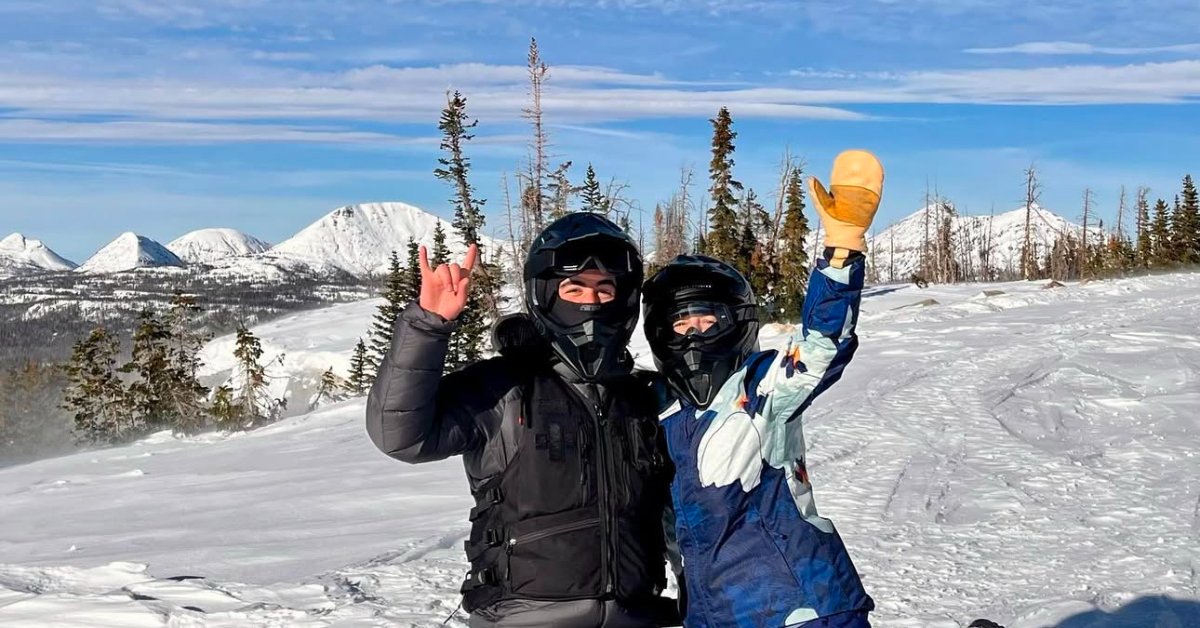
Keeping your hands, feet, and face warm is an important tip for staying comfortable on longer snowmobile trips. Your face and extremities need particular attention because they’re vulnerable to cold temperatures and wind.
If you’re exploring the mountains through Utah snowmobile rentals, proper protection becomes especially important during lengthy rides at higher elevations.
Keep Your Hands Warm and Functional
Cold fingers make it harder to operate snowmobile controls comfortably. Choose insulated, waterproof snowmobile gloves or mittens that provide reliable protection against freezing temperatures.
Mittens generally retain more warmth, while gloves offer greater finger movement. Select an option that allows you to securely grip and operate the throttle and brake safely.
Pro Tip: Pack an extra pair of gloves in case your primary gloves become wet.
Choose the Right Boots and Socks
Your feet need insulation and protection from moisture. Wear waterproof winter boots with enough room for thick, moisture-wicking socks.
Merino wool socks work particularly well because they provide insulation while managing moisture. Avoid layering multiple tight socks, which can restrict circulation and make your feet colder.
Shield Your Face From Wind
Cold wind can quickly affect exposed skin, particularly when traveling across open terrain. A balaclava or snowmobile-compatible face covering provides additional protection for your cheeks, chin, and neck.
Pair your face covering with a properly fitted helmet and suitable eye protection. Make sure your setup allows you to breathe comfortably, maintain clear visibility, and avoid excessive fogging.
Fuel Your Body Before and During the Ride
Your body needs sufficient energy and hydration to maintain its temperature, especially during physically demanding outdoor activities.
Eat a Filling Meal and Pack Snacks
Start your adventure with a balanced meal that includes carbohydrates and protein. Oatmeal, eggs, whole-grain toast, or another satisfying breakfast can provide energy for the hours ahead.
Longer snowmobile trips create opportunities to stop, enjoy the scenery, and recharge. Trail mix, granola bars, and dried fruit travel easily in a small backpack.
Stay Hydrated in Cold Weather
You might not feel as thirsty during winter as you do in summer, but your body still needs water. Carry an insulated water bottle to help prevent your drink from freezing. Take regular water breaks, even when you don’t feel particularly thirsty.
Make Smart Choices During Your Snowmobile Trip
Your riding habits influence how comfortably you handle the cold. Planning your route, managing your pace, and recognizing changes in your body temperature can help make a longer adventure more enjoyable.
Take Breaks Before You Get Too Cold
Don’t wait until your fingers feel numb or your entire body starts shivering before stopping. Schedule brief breaks throughout your adventure to assess your comfort and adjust your clothing.
If you have access to a warming area, take advantage. Otherwise, choose a safe stopping location away from active trails where you can move around without interfering with other riders.
Avoid Sweating Beneath Your Layers
While snowmobiling exposes you to cold temperatures, physical activity can still make you sweat. Digging a machine out of deep snow or performing other strenuous tasks generates additional body heat.
When moisture collects beneath your clothing, it can make you feel colder after you stop moving.
Pay Attention to Early Warning Signs
Cold-related problems can develop gradually, particularly during extended exposure. Persistent shivering, unusual fatigue, and difficulty using your fingers can indicate that you must warm up.
More serious symptoms, such as confusion, slurred speech, or poor coordination, require immediate attention. Stop riding, seek shelter, and get emergency assistance when appropriate.
Prepare for Changing Mountain Weather
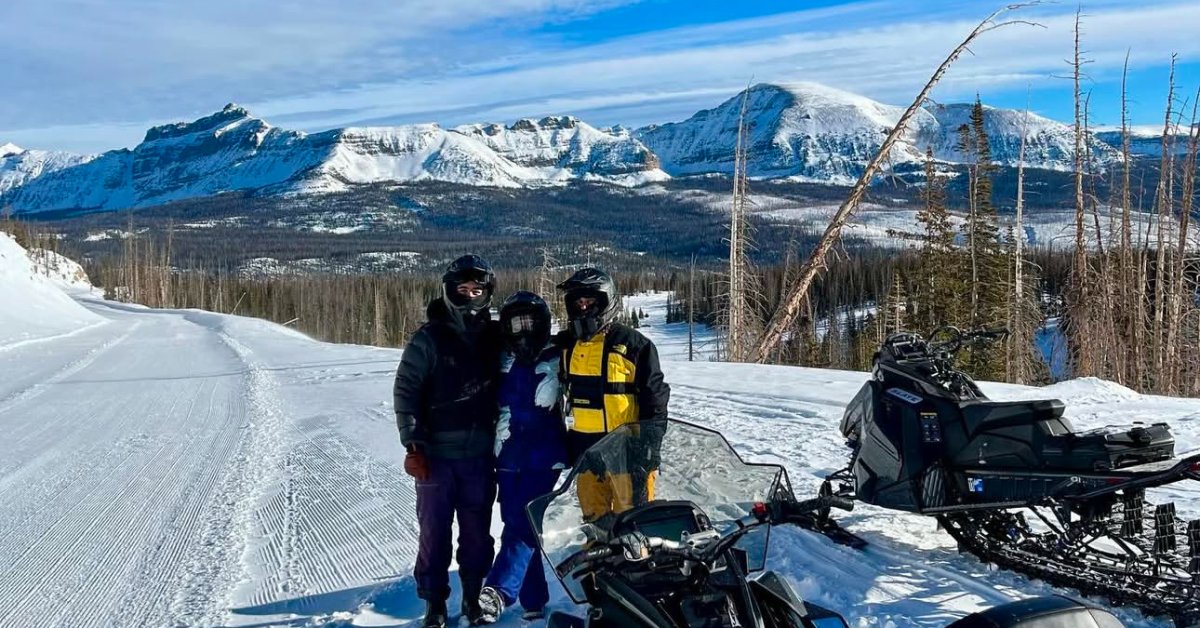
Mountain conditions can shift dramatically over a relatively short distance.
Review the weather forecast for your riding area rather than relying solely on conditions in a nearby town. Pay attention to expected temperatures, wind speeds, snowfall, and visibility.
Wind chill matters because moving air increases heat loss from exposed skin. The wind you encounter while riding can make already cold conditions feel considerably more severe.
Bring Emergency Warmth Essentials
Even the best-laid plans can encounter surprise delays. Mechanical problems, challenging trail conditions, or sudden weather changes can extend your time outdoors.
Pack an emergency kit with extra dry gloves, insulating clothing, an emergency blanket, and basic first-aid supplies. Carry navigation equipment and a reliable way to contact help besides your cell phone.
Plan Your Route Around Daylight
Winter days provide fewer daylight hours for exploring. Estimate how long your ride will take and build in extra time for breaks or changing conditions.
Share your planned route and expected return time with someone who isn’t joining the trip. Stick to designated trails and avoid venturing into unfamiliar terrain without appropriate preparation.
Get Comfortable With Your Snowmobile Before Heading Out
Understanding your machine helps you conserve energy and enjoy a smoother ride. Before leaving, familiarize yourself with the controls, safety features, and operating procedures.
An uncomfortable riding position can make a long trip feel exhausting. Adjust your posture so you can reach the handlebars easily and operate the controls without unnecessary strain.
Confirm that your helmet fits correctly and that your clothing doesn’t interfere with steering or braking.
Enjoy a Warmer Snowmobile Adventure With Uinta Adventures
Staying warm while snowmobiling comes down to preparation and smart decisions along the way. Proper layering, reliable winter gear, and regular breaks help you remain comfortable while experiencing Utah’s remarkable winter landscapes.
If you’re ready to experience the snowy Uinta Mountains for yourself, contact Uinta Adventures to book your snowmobile rental and get ready for an unforgettable winter outing near Kamas, Utah!